
the prevent duty
Keeping learners safe from radicalisation and extremism.
At Kings Park School, safeguarding is at the heart of everything we do. This includes protecting learners from the risk of radicalisation, extremism and harmful influences, both online and within the wider community.
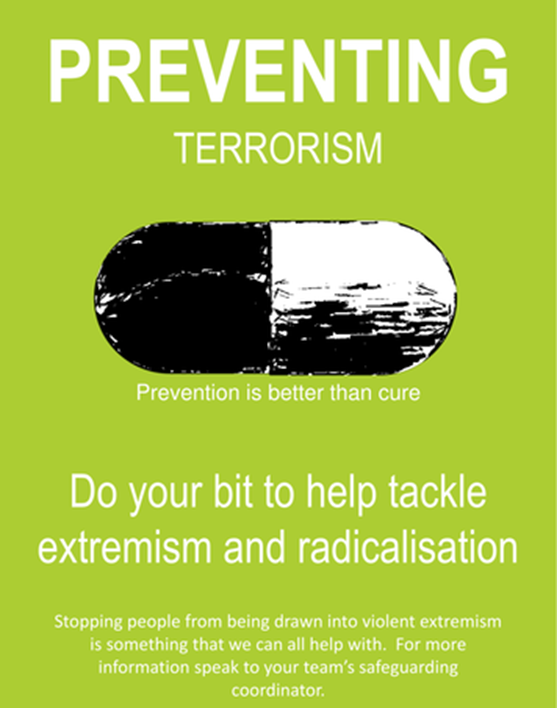
The Prevent Duty is part of the Counter-Terrorism and Security Act 2015. It places a legal duty on schools to have due regard to the need to prevent people from being drawn into terrorism. Prevent is part of our wider safeguarding responsibilities and is approached with the same care, sensitivity and professional curiosity as any other concern about a learner’s welfare.
What is radicalisation?
Radicalisation is the process through which someone begins to support terrorism or extremist ideologies associated with terrorist groups.
There is no single profile of a person who may be vulnerable to radicalisation. Changes in behaviour do not necessarily mean that a learner is being radicalised. However, concerns may arise when changes are combined with other factors, such as:
- accessing or sharing harmful extremist material
- expressing support for terrorism or terrorist organisations
- becoming increasingly isolated or secretive
- showing intolerance towards people with different beliefs or backgrounds
- being influenced or pressured by others, including people online
- using language linked to extremist ideas or violence
- experiencing a strong need for belonging, identity or acceptance that others may seek to exploit
At Kings Park School, we understand that some learners may communicate distress, uncertainty or strongly held views in different ways. Staff consider each learner’s individual needs, communication profile and circumstances. We do not make assumptions based on a learner’s religion, culture, disability, behaviour or personal interests.
How we meet our Prevent responsibilities
We help keep learners safe by:
- maintaining a strong culture of safeguarding across the school
- ensuring staff receive appropriate Prevent and safeguarding training
- teaching learners how to recognise unreliable information, manipulation and harmful online content
- promoting respectful discussion and the safe exploration of different views
- supporting learners to develop critical-thinking and decision-making skills
- teaching online safety in ways that are accessible and relevant to individual learners
- promoting democracy, the rule of law, individual liberty, mutual respect and tolerance
- working with families and external safeguarding professionals when appropriate
- assessing local risks and reviewing our safeguarding arrangements regularly
- using appropriate filtering and monitoring systems on school devices and networks
Prevent does not stop learners from discussing sensitive subjects, asking questions or expressing lawful opinions. We want learners to feel safe to explore ideas, challenge information and speak with a trusted adult if something concerns or confuses them.
What happens if we have a concern?
A concern about radicalisation is treated as a safeguarding concern.
Staff must report concerns to the Designated Safeguarding Lead. The concern will be considered carefully alongside the learner’s individual circumstances and any other relevant information.
Where appropriate, the school may seek advice from safeguarding partners or make a referral to Prevent. A referral does not mean that a learner has committed an offence. It allows professionals to consider whether the learner or family may benefit from additional, voluntary support.
Wherever it is safe and appropriate to do so, we will work openly and sensitively with parents and carers.
How families can help
Parents and carers can support learners by:
- taking an interest in the websites, apps, games and online communities they use
- encouraging them to question where information comes from
- talking openly about news, world events and different beliefs
- helping them understand that not everything they see online is accurate
- encouraging them to speak to a trusted adult if anyone makes them feel frightened, pressured or uncomfortable
- sharing concerns with the school as early as possible
Reporting a concern
If you are worried that a learner may be at risk of radicalisation or is being influenced by harmful extremist content, please contact the school and ask to speak to a member of the safeguarding team.
If there is an immediate danger or risk of harm, call 999.
For concerns that are not an emergency, you can also contact the police on 101.